

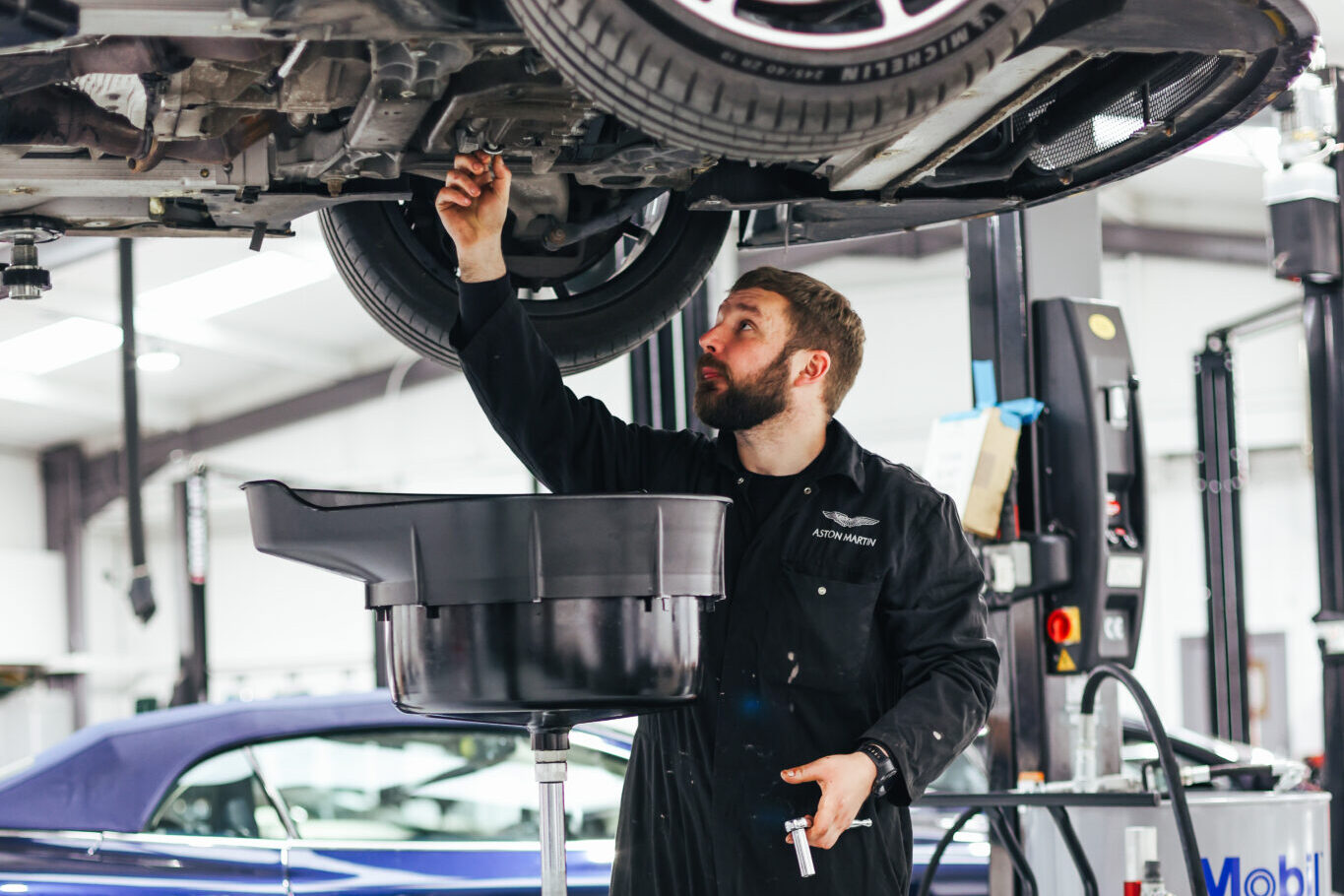
For many vehicle owners, automotive maintenance is treated as a reactive necessity. A trip to the repair shop is only scheduled when a dashboard warning light illuminates, a strange knocking sound echoes from the engine bay, or the vehicle completely fails to start. This break-fix mentality assumes that saving money on immediate service costs puts more cash back into your pocket over time.
In reality, neglecting scheduled automotive maintenance is one of the most expensive mistakes a consumer can make. Vehicles are highly complex mechanical and electronic systems where the failure of a single inexpensive component can quickly trigger a domino effect, leading to catastrophic system failures. Investing in a structured preventive car service plan functions as a financial shield. By paying a predictable, controlled amount for routine maintenance up front, you avoid the sudden, budget-breaking expenses of major mechanical overhauls.
Mitigating the Compounding Cost of Neglect
The primary financial advantage of a preventive service plan lies in avoiding cascading mechanical damage. Automotive components do not operate in isolation. When one part undergoes excessive wear, it places immediate, abnormal stress on surrounding systems.
Consider the braking system as a clear example. A preventive service plan ensures that your brake pads are inspected and replaced as soon as the friction material wears thin. A standard set of replacement brake pads is relatively inexpensive. However, if a driver ignores the warning signs and postpones maintenance, the friction material will wear away completely. This causes the metal backing plate to grind directly against the brake rotors. What could have been a simple, low-cost pad replacement instantly escalates into a massive repair bill requiring new rotors, new calipers, and intensive labor.
Similar compounding costs apply throughout the vehicle:
-
Spark Plugs: Neglecting to replace worn spark plugs can cause engine misfires, which quickly destroys the catalytic converter, an incredibly expensive emissions component to replace.
-
Cooling System: Failing to perform regular coolant flushes can cause a water pump to fail or the engine to overheat, leading to a warped cylinder head or a cracked engine block.
-
Timing Belt: A timing belt must be replaced at specific mileage intervals. If it snaps while driving, the pistons will smash violently into the engine valves, completely destroying the engine assembly.
Maximizing Every Gallon with Optimal Fuel Economy
With energy prices fluctuating unpredictably, fuel consumption represents a major component of the total cost of vehicle ownership. Many drivers do not realize that poor vehicle maintenance acts as a silent tax on their fuel economy.
A preventive maintenance plan ensures that your engine operates at peak thermal and mechanical efficiency. During a routine service interval, technicians replace clogged engine air filters, install fresh spark plugs, and verify that sensor arrays are communicating correctly with the onboard computer. A heavily clogged air filter forces the engine to work harder to pull in oxygen, altering the optimal air-fuel ratio and increasing fuel consumption.
Furthermore, rolling resistance plays a major role in fuel expenditure. Preventive plans include routine tire pressure checks, wheel balancing, and suspension alignment inspections. Driving on underinflated tires or with a misaligned front end forces the vehicle to overcome excessive drag against the road surface. By maintaining clean filters, efficient combustion components, and correctly aligned tires, a preventive plan can easily reclaim significant fuel efficiency, saving you hundreds of dollars annually at the gas pump.
Preserving the Vehicle Resale and Trade-In Value
Vehicles are depreciating assets, but the rate at which they lose value is highly dependent on how well they are preserved. When it comes time to sell your vehicle to a private party or trade it in at a dealership showroom, the presence of a meticulous, documented service history drastically alters your financial return.
A vehicle service plan creates an official, chronological paper trail of professional care. When a potential buyer reviews a history report and sees a steady, uninterrupted timeline of oil changes, fluid flushes, brake services, and safety inspections, it removes the underlying anxiety of buying a used vehicle. It proves that the owner did not defer vital maintenance or cut corners with cheap fixes.
This transparency shifts the power dynamic during price negotiations. Without proof of maintenance, a buyer or dealership appraiser will naturally assume the worst and deduct thousands of dollars from their offer to hedge against hidden mechanical issues. A fully documented preventive care history allows you to command top market value, effectively reclaiming a substantial portion of the money spent on maintenance packages over the years.
Extending the Operational Lifespan of the Vehicle
The most cost-effective car you will ever own is the one that is already paid off. In the modern automotive climate, the average transaction price for a brand-new vehicle is exceptionally high, often locking consumers into long-term auto loans with high monthly payments and compounding interest. Therefore, extending the operational life of your current vehicle is a powerful wealth-building strategy.
Most modern consumer vehicles are engineered to easily surpass two hundred thousand miles if they receive consistent, structured maintenance. The component that determines whether a car reaches this milestone is the quality of its lubrication. Engine oil, transmission fluid, differential fluid, and power steering fluids break down over time due to intense heat, mechanical friction, and microscopic metal contamination.
Regular oil changes and fluid replacements specified in a service plan preserve the internal tolerances of your engine and transmission. Preventing premature internal friction wear means you can confidently drive a vehicle for ten to fifteen years without facing major drivetrain failures. By bypassing a new car payment cycle for an extra five or six years, you keep tens of thousands of dollars in your personal investment accounts.
Eliminating Toll Fees and Emergency Towing Costs
When a vehicle breaks down on a major highway or during a long-distance road trip, the immediate financial toll extends far beyond the price of the actual mechanical repair. Roadside emergencies introduce a cascade of urgent, non-negotiable secondary expenses.
If an unmaintained radiator hose bursts or an old alternator fails unexpectedly, you are immediately forced to pay for:
-
Long-distance emergency towing services to transport the incapacitated vehicle to a repair facility.
-
Premium roadside assistance surcharges if the breakdown occurs after business hours or during holidays.
-
Last-minute rental cars, rideshare fees, or hotel accommodations to preserve your travel itinerary.
-
Expedited shipping charges for replacement parts ordered by an unfamiliar repair shop that knows you are stranded and have no leverage.
Preventive maintenance plans emphasize proactive replacement schedules for components with limited operational lifespans, such as rubber drive belts, cooling hoses, batteries, and brake lines. Technicians discover microscopic cracks in a belt or load-test a weakening battery during a relaxed, scheduled garage visit. Replacing a fading component voluntarily in your local shop prevents an unpredictable, high-stress breakdown, protecting your personal budget from logistical emergency costs.
Frequently Asked Questions
What is the typical difference between a prepaid maintenance plan and an extended auto warranty?
A prepaid maintenance plan covers the predictable, scheduled operational expenses required to keep a car running smoothly, such as oil changes, fluid flushes, filters, and tire rotations. An extended auto warranty is an insurance product designed to cover the unpredictable costs of unexpected mechanical or electrical failures, such as a broken transmission or a faulty infotainment computer screen, after the original manufacturer warranty expires.
Can a preventive service plan help lower my annual automotive insurance premiums?
While a service plan does not directly alter your baseline insurance premium rates, keeping your vehicle in peak mechanical condition can prevent accidents that would cause your premiums to spike. For example, proactive maintenance ensures your brake pads grip efficiently and your tires maintain proper tread depth, minimizing your risk of a collision during wet or icy driving conditions.
Is a preventive service plan tied to the specific vehicle or can it be transferred to a new owner?
Most high-quality preventive car service plans are fully transferable to a secondary buyer if you choose to sell the vehicle privately before the plan expires. This transferability acts as a powerful selling point that enhances the retail value of your listing, as the new owner gains the immediate financial benefit of pre-purchased maintenance at no additional cost.
How does a service plan protect me against the rising cost of automotive parts inflation?
When you invest in a prepaid or structured preventive service plan, you effectively lock in current labor rates and parts costs for the duration of the agreement. If the cost of synthetic motor oil, rubber tires, or mechanical labor rates increase due to inflation over the next three to four years, the dealership or service center must still honor the contracted price, shielding you from rising market rates.
Do independent repair shops offer preventive service plans that mirror dealership packages?
Yes, many independent auto repair facilities and national service chains offer customizable preventive maintenance programs that mirror factory schedules. These plans are often highly cost-effective because independent shops traditionally feature lower baseline labor rates than franchised dealership showrooms while still utilizing certified technicians who follow your vehicle manufacturer’s explicit maintenance guidelines.
What happens to a vehicle service plan if the car is declared a total loss after an accident?
If your vehicle is involved in a severe collision and declared a total loss by your insurance provider, most service plan contract administrators allow you to request a prorated refund for the remaining, unused portion of the maintenance package. Alternatively, some companies allow you to transfer the remaining financial balance over to a replacement vehicle added to your policy.
