

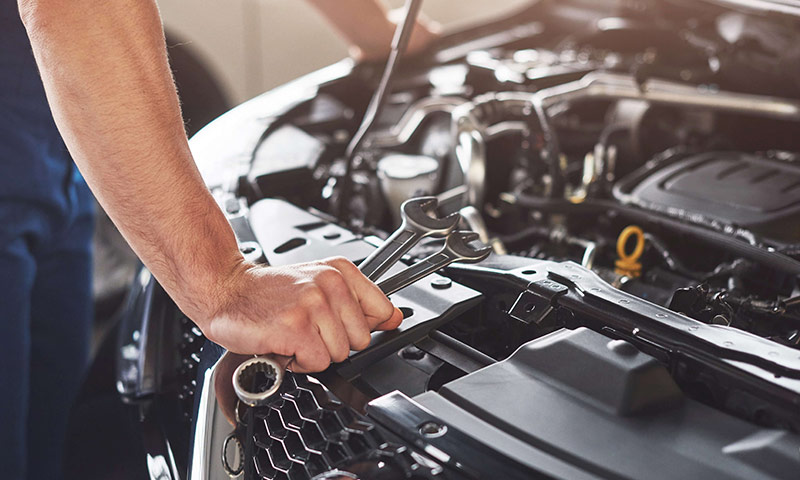
For many vehicle owners, the idea of performing routine automotive maintenance at home feels intimidating. Modern engine bays are densely packed with electronic components, complex wiring harnesses, and specialized hardware that seems to require a professional degree to navigate. This complexity often drives consumers to rely entirely on commercial repair shops and dealership service bays for even the simplest maintenance tasks.
However, the barrier to entry for do-it-yourself automotive care is often not a lack of mechanical skill, but a lack of the right supportive equipment. Standard hand tools like basic screwdrivers and cheap wrenches can turn a simple twenty-minute oil change into a frustrating multi-hour ordeal filled with stripped bolt heads, scraped knuckles, and unexpected fluid spills. By investing in a few strategically designed, affordable automotive products, you can eliminate the typical friction points of driveway maintenance. These tools streamline complex tasks, enhance safety, and give you the confidence to maintain your vehicle independently.
Low-Profile Hydraulic Floor Jacks and Heavy-Duty Jack Stands
Every vehicle maintenance task that requires working underneath the chassis begins with lifting the car safely. The scissor jack included in your vehicle trunk is designed strictly for roadside emergencies, such as changing a flat tire. Using an emergency emergency jack for routine garage maintenance is incredibly dangerous because they lack a wide base and are highly prone to tipping.
A high-quality hydraulic floor jack featuring a low-profile chassis is an essential foundation for any home garage. Low-profile jacks can easily slide beneath lowered sedans and compact cars to reach central frame lift points. Once the vehicle is elevated, it must never be supported solely by the hydraulic pressure of the jack. You must immediately lower the vehicle onto heavy-duty steel jack stands equipped with double-locking safety pins. Having a stable, mechanical support platform eliminates the underlying anxiety of working beneath thousands of pounds of steel, allowing you to focus completely on the task at hand.
Bluetooth OBD2 Diagnostic Scanners
A dashboard check engine light is one of the most stressful experiences a driver can face. In the past, diagnosing the underlying cause required a trip to a mechanic who would charge a diagnostic fee simply to hook up an electronic reading tool to the vehicle computer port.
Modern consumer electronics have completely democratized this diagnostic process. An inexpensive Bluetooth OBD2 scanner plugs directly into the onboard diagnostic port located beneath your vehicle dashboard. The scanner pairs wirelessly with a dedicated application on your smartphone, translating complex factory fault codes into clear, actionable information. Instead of guessing why a warning light is active, the app will explicitly inform you if the issue is a loose gas cap, a failing oxygen sensor, or an engine misfire. Knowing the exact problem beforehand prevents dishonest repair facilities from overcharging you for unnecessary repairs and allows you to easily look up instructional guides to fix simple sensor issues yourself.
Solid-Steel Oil Filter Swivel Wrenches and End-Cap Sockets
Changing your engine oil and filter is the most frequent maintenance task your car requires. While draining the oil pan is straightforward, removing the old oil filter can be surprisingly difficult. Over time, engine heat cycles cause the rubber gasket on the oil filter housing to stick tightly to the engine block. If a technician overtightened the filter during the previous service, removing it by hand becomes virtually impossible.
Using generic slip-joint pliers often crushes the thin metal canister of the filter, resulting in a slippery, hazardous mess. Dedicated oil filter swivel wrenches or vehicle-specific end-cap socket attachments fit precisely over the flutes of the filter housing. When attached to a standard socket wrench extension, these tools distribute mechanical leverage evenly around the perimeter of the filter, breaking the stubborn heat seal effortlessly without slipping or deforming the metal casing.
Formable Fluid Draining Funnels
Positioning a drain pan directly beneath an oil pan plug or a transmission fluid drain hole is simple in theory. In practice, however, automotive engineers frequently place structural crossmembers, exhaust pipes, and plastic splash shields directly below these fluid exit paths. When you remove the drain plug, the escaping fluid hits these obstructions, deflecting chaotically and coating your garage floor or underbody components in hot oil.
A formable fluid draining funnel completely solves this mess. These innovative tools consist of a pliable, thin lead sheet encased in thick, oil-resistant nitrile rubber. You can bend, mold, and shape the funnel into a custom rigid channel, creating a perfect chute that routes dirty fluid directly around suspension components and straight into your collection container. Once the job is complete, the smooth rubber surface wipes clean with a shop towel and can be flattened out for easy storage in a shallow tool drawer.
High-Quality Digital Torque Wrenches
When fastening bolts on critical automotive assemblies like wheel lug nuts, brake caliper brackets, or engine valve covers, guessing the tightness can lead to catastrophic component failure. Under-tightening a bolt can cause it to vibrate loose over time, while over-tightening can easily strip out aluminum threads or snap the bolt shaft entirely.
A digital torque wrench ensures your fasteners are tightened to the exact foot-pound specification required by the vehicle manufacturer. You simply program the specific torque value into the handle interface, and the wrench provides an audible beep or vibrational alert the exact millisecond that threshold is achieved. Using a torque wrench guarantees your wheels remain safely attached to the vehicle and ensures gasket seals receive uniform pressure, preventing annoying fluid leaks down the line.
Magnetic Parts Trays and LED Work Lights
Few situations are more demoralizing during a mechanical project than dropping a vital washer, nut, or clip into the dark abyss of a crowded engine bay. Tracking down a lost fastener can stall a project for hours or force a trip to the local auto parts store for a replacement.
Inexpensive magnetic parts trays securely hold your steel fasteners, small tools, and loose brackets in place, even if the tray is mounted vertically to a metal toolbox or vehicle body panel. Pairing these trays with a magnetic, rechargeable LED work light completely alters the working environment. Modern slim LED light bars can stick directly to the underside of your open hood or suspension components, flooding the workspace with crisp white light and leaving both of your hands free to manipulate tools safely.
Frequently Asked Questions
What is the advantage of using a fluid evacuator pump for home oil changes?
A fluid evacuator pump allows you to perform an oil change completely from the top of the engine bay without jacking up the car or crawling underneath. The pump uses a thin, flexible tube inserted directly down the engine dipstick tube to siphon the old oil out of the oil pan using vacuum pressure, keeping your hands and garage floor completely clean.
Why should I use a dedicated brake caliper hanger tool during a brake pad replacement?
When you remove the heavy metal brake caliper from its mounting bracket to replace the brake pads, you must never let it hang by the flexible rubber brake fluid hose. The weight of the caliper can easily damage the internal reinforcement of the line, leading to eventual brake failure. A simple steel hanger hooks the caliper safely to the vehicle suspension spring, protecting the line.
How does a spark plug gap tool prevent engine misfires when installing new plugs?
Even brand-new spark plugs can have their delicate metal ground electrode bent slightly during shipping inside the box. A spark plug gap tool measures the precise distance between the center and ground electrodes. Verifying this gap matches your factory specification ensures optimal fuel combustion and prevents rough idling or acceleration hesitations.
What is the purpose of applying anti-seize lubricant to specific automotive fasteners?
Anti-seize is a specialized metallic lubricant applied to bolt threads that are exposed to extreme heat or road salt, such as exhaust bolts or spark plugs. The compound prevents the metal surfaces from chemically welding together or rusting over time, ensuring you can easily remove the fastener during future maintenance intervals without breaking the bolt.
Is it necessary to use a battery memory saver when replacing a car battery?
Yes, using a small battery memory saver that plugs into your cigarette lighter or OBD2 port preserves the electrical memory of your vehicle computer while the main battery is disconnected. This prevents your car from losing its radio presets, clock settings, and critical engine learning parameters, which can sometimes cause rough idling when the vehicle is restarted.
How do impact-rated socket extensions differ from standard chrome extensions?
Standard chrome socket extensions are made from hard, brittle steel that can shatter under the intense, rapid rotational hammering forces of an electric or pneumatic impact wrench. Impact-rated extensions are constructed from a softer, more ductile chrome-molybdenum steel that absorbs the torsional shock waves safely without snapping or flying apart.
