

A vehicle cabin is a confined environment where air circulates repeatedly within a tight perimeter of fabric, plastic, and foam. Because of this enclosed design, cars are highly susceptible to trapping airborne particles and chemical compounds. Over time, everyday factors like spilled coffee, damp gym gear, fast food meals, pets, and cigarette smoke leave behind residue that sinks deep into the interior fibers.
When a foul smell takes hold, conventional cardboard air fresheners shaped like trees are completely inadequate. Hanging a scented product from the rearview mirror simply overlays a heavy perfume over an unpleasant scent profile, resulting in a nauseating mixture of artificial fragrance and underlying decay. True odor eradication requires a scientific approach to air quality. By deploying specialized, professional-grade products designed to neutralize particles at the molecular level, you can completely restore the air inside your car.
Activated Charcoal and Bamboo Air Purifiers
For continuous, passive management of ambient vehicle odors, activated charcoal and bamboo charcoal bags are highly effective baseline tools. Unlike artificial sprays, these products contain zero added chemicals or synthetic perfumes, making them completely safe for individuals with respiratory sensitivities or allergies.
The science behind activated charcoal relies on a process called adsorption. During this process, gas molecules and microscopic odor particles adhere to the massive internal surface area of the charcoal rather than being absorbed into it. A single gram of activated charcoal features an incredibly dense network of microscopic pores, giving it a total surface area equivalent to a small football field. Placing these porous bags beneath the front seats or inside rear door pockets allows them to quietly trap excess humidity, volatile organic compounds, and lingering pet smells before they can penetrate the vehicle upholstery.
Upgraded Activated Carbon Cabin Air Filters
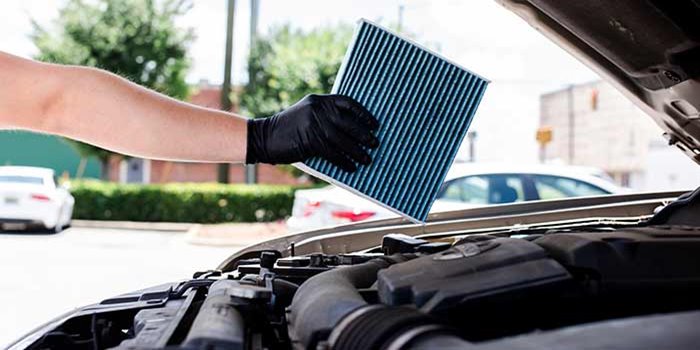
The absolute frontline defense for vehicle air quality is the cabin air filter. This component screens out dust, pollen, mold spores, and exhaust fumes before outside air enters the passenger cabin through the heating, ventilation, and air conditioning vents. Most factory vehicles come equipped with a basic paper or fiberglass mesh filter designed solely to trap large physical particles.
When an air conditioning system develops a sour, vinegar-like smell, the root cause is usually a clogged, dirty filter or mold colonies growing on the damp evaporator core directly behind it. Upgrading to a premium replacement filter infused with a dense layer of baking soda and activated carbon introduces an additional chemical scrub step. As air passes through the carbon-treated pleats, the filter traps offensive gaseous contaminants like nitrogen oxide and sulfur dioxide along with ambient traffic odors, ensuring clean air flows into your breathing zone.
Chlorine Dioxide Total Release Foggers
When an odor is deeply ingrained into the vehicle matrix, such as the persistent tar residue left behind by heavy tobacco smoking, passive bags and clean filters are not enough. Tobacco smoke contains fine liquid droplets and particulate matter that coats every square inch of the headliner, pillars, and underlying carpet foam. To combat this pervasive layer, professional detailers utilize chlorine dioxide total-release foggers.
Chlorine dioxide is a powerful, fast-acting oxidizing agent commonly used in industrial water treatment and medical sanitation. A total-release automotive fogger is an aerosol can or water-activated pouch designed to be placed in the center of the vehicle cabin with the windows rolled up and the ventilation system running on high recirculation mode. The fogger releases a dense vapor that penetrates porous fabrics and ventilation ducks, attacking the chemical structure of organic and chemical odor compounds. The vapor permanently alters the offending molecules through oxidation, leaving behind a neutral, sterile cabin profile reminiscent of a clean hospital environment.
Foam Evaporator Core Cleaners
The climate control system of a modern car naturally creates a dark, highly humid environment. As the air conditioning system cools the warm outside air, water condenses on the metal fins of the internal evaporator core located inside the dashboard. Under normal conditions, this water exits the car via an underbody drain tube. However, if dirt blocks the drain or the car is driven constantly in humid regions, the lingering moisture fuels the rapid growth of black mold, mildew, and bacterial slime.
Standard sprays applied directly to the interior dashboard vents cannot reach this deeply buried contamination source. To solve this specific issue, you must use a specialized aerosol foam evaporator core cleaner. These products feature a long, flexible application tube designed to be inserted directly up through the exterior air conditioning drain line or through the interior blower motor housing. When sprayed, the chemical expands into a thick, aggressive cleaning foam that completely coats the evaporator fins, dissolving mold mats and flushing out biological grime through the vehicle drain line within minutes.
Advanced Enzyme-Based Upholstery Sprays
When milk spills on a car floor or a pet has an accident on a seat, the resulting foul smell is driven by active bacterial decomposition. Standard household cleaners or industrial degreasers rely on soap surfactants to lift surface stains, but they frequently fail to destroy the microscopic organic protein structures trapped deep within the woven fabric fibers or underlying seat cushioning.
Enzyme cleaners contain targeted biological catalysts engineered to accelerate the natural breakdown of complex organic matter. When applied to an affected area, the enzymes target specific stains: proteases break down protein-based spills like blood or dairy, lipases tackle greasy food residues, and amylases dissolve starch deposits. By systematically dismantling these compounds into basic elements like water and carbon dioxide, the solution eliminates the primary food source for odor-causing bacteria, resulting in permanent odor removal.
Frequently Asked Questions
How does an electronic car ionizer work, and is it completely safe to use?
Electronic car ionizers plug directly into a vehicle twelve-volt power outlet and emit a continuous stream of negatively charged ions into the air. These ions attach to positively charged airborne particles like dust and smoke, causing them to clump together and fall out of the air onto the surrounding interior surfaces. While effective at clearing airborne smoke particles, users should ensure the device does not produce excessive ozone gas, as high ozone levels can irritate human lungs over extended driving periods.
Why does my vehicle smell terrible only when I first turn on the heater during winter?
A foul smell that appears only when using the vehicle heater typically points to a collection of organic debris like dry autumn leaves, pine needles, or twigs trapped inside the exterior cowl panel at the base of the windshield. When moisture mixes with this trapped debris inside the warm heater core housing, it rots and creates a strong compost smell that blows straight through the floor vents.
Can a portable ozone machine damage the leather or plastic components inside my car?
Yes, commercial ozone generators must be used with extreme caution inside automotive cabins. Ozone is a highly reactive gas that obliterates organic odor molecules, but it is also a powerful oxidizer. Running a heavy-duty ozone machine inside a sealed vehicle for more than one or two hours can cause leather seats to dry out and crack, turn plastics brittle, and degrade the delicate wiring insulation beneath the dashboard.
How often should I replace my vehicle cabin air filter to prevent musty smells?
Most automotive manufacturers recommend replacing the cabin air filter every twelve thousand to fifteen thousand miles, or at least once a year. However, if you routinely drive on unpaved dirt roads, live in an urban environment with high smog pollution levels, or park beneath heavy-tree canopies that drop organic debris, you should inspect and replace the filter every six months to stop odor buildup early.
Will a standard household steam cleaner work well to remove stubborn car interior odors?
Household steam cleaners are excellent tools for car detailing because they inject high-temperature water vapor deep into cloth seats and floor carpets. The intense heat melts trapped grease oils and kills underlying mold spores without requiring aggressive chemical additives. However, you must thoroughly vacuum the extracted water out and leave the car doors open to dry completely, as trapped residual moisture can create a secondary mildew problem.
What is the most effective way to eliminate a lingering smell of spilled gasoline inside a trunk?
Gasoline contains heavy petroleum hydrocarbons that do not evaporate quickly when soaked into a vehicle trunk mat. The most effective strategy involves removing the removable carpet lining entirely from the vehicle, treating the spill zone with a specialized solvent-degreaser or a heavy application of dry baking soda to absorb the remaining liquid oils, and allowing the uninstalled mat to air out in direct sunlight for several days until the volatile compounds fully dissipate.
