

The automotive landscape is undergoing a massive transformation. For decades, vehicle maintenance followed a predictable, linear path: a part wore out, a mechanic discarded it into a scrap pile, and a brand-new component took its place. This conventional model, while functional, exacted a heavy toll on natural resources and contributed significantly to industrial waste streams.
Today, a profound shift toward environmental responsibility is reshaping how everyday drivers and professional technicians approach vehicle repair. Eco-friendly auto parts are no longer niche products reserved for specialized green vehicles. Instead, they are rapidly moving into the mainstream, rewriting the rules of traditional car care, and establishing a highly efficient circular economy within the aftermarket sector.
Defining the Green Components Sector
To understand how eco-friendly options are changing the maintenance game, it is necessary to identify what makes an automotive part truly sustainable. The modern green aftermarket relies primarily on three categories of components, each offering distinct advantages over traditional, newly manufactured options.
Recycled Auto Parts
Recycled components, often called salvaged parts, are functional pieces harvested directly from end-of-life vehicles. When a vehicle is decommissioned due to accidents or mechanical failures unrelated to the part in question, specialized automotive recyclers step in. Technicians carefully extract intact components such as body panels, glass, mirrors, and interior trim. These items undergo safety inspections and detailed testing before entering inventory databases, allowing consumers to purchase original equipment manufacturer parts without the environmental footprint of new manufacturing.
Remanufactured Components
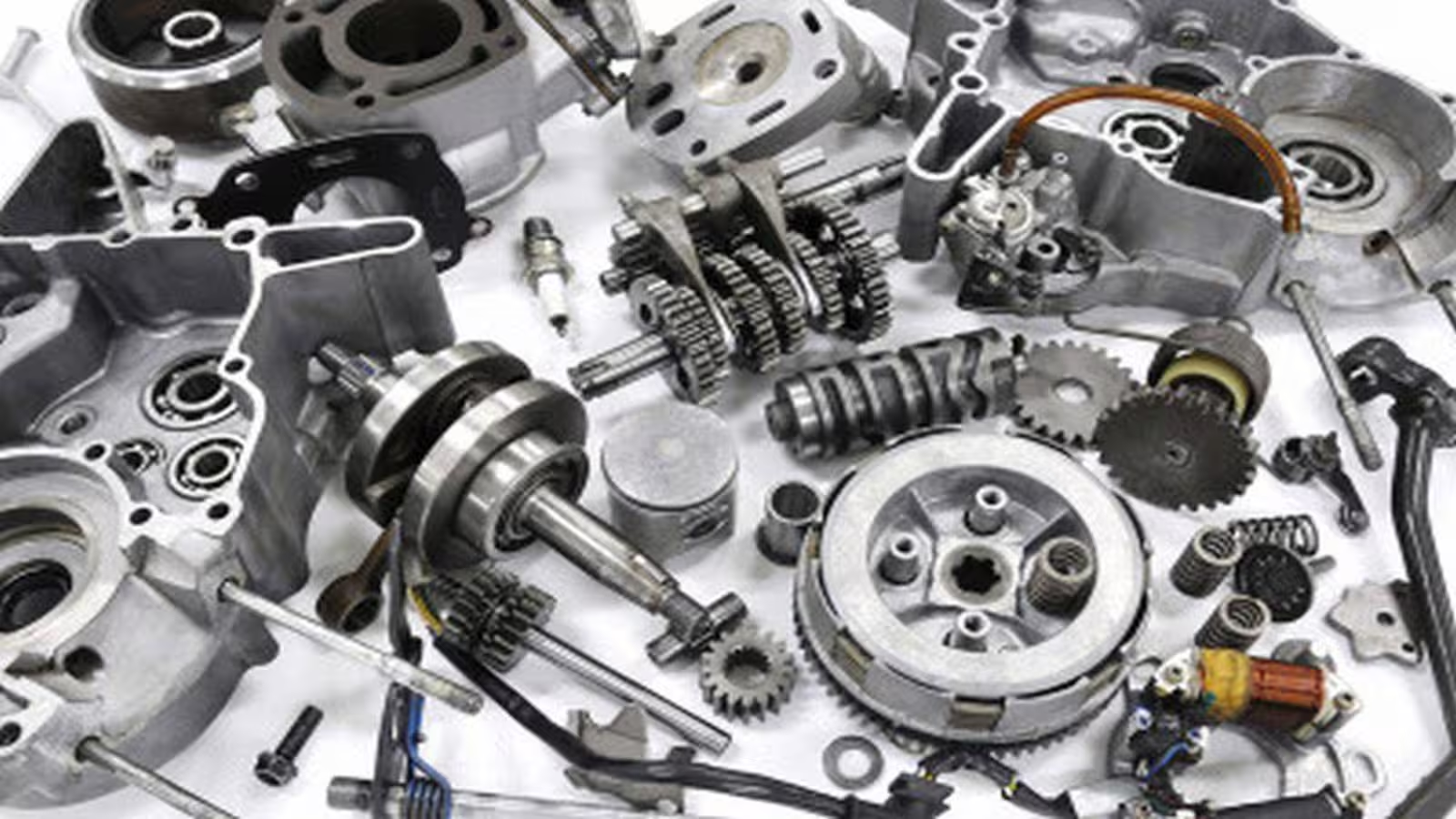
Remanufacturing represents the highest level of automotive recycling and must not be confused with simple rebuilding or repairing. The remanufacturing process requires a completely worn or failed core component, such as an engine, alternator, or transmission, to be completely disassembled. Every individual piece is cleaned, evaluated, and measured against original factory specifications.
Worn sub-components are replaced entirely, and engineering upgrades are frequently applied to correct known design vulnerabilities. The unit is then reassembled and tested on specialized diagnostic equipment to guarantee it meets or exceeds the performance standards of a brand-new factory unit.
Bio-Based and Sustainable New Materials
Innovation in raw material sourcing is introducing a new wave of eco-conscious components directly onto assembly lines and into parts stores. Instead of relying solely on petroleum-derived plastics and heavy carbon-intensive composites, manufacturers are utilizing lightweight, plant-based alternatives.
Components like cabin air filters, interior paneling, and acoustic insulation are increasingly constructed from renewable resources including hemp fibers, bamboo composites, and soy-based foams. Furthermore, the development of eco-friendly brake pads made from advanced organic compounds ensures that stopping power is maintained without dispersing toxic copper dust into the environment.
The Environmental Impact of Sustainable Repairs
The environmental benefits of transitioning to sustainable auto parts are extensive, directly addressing the heavy carbon footprint associated with traditional automotive manufacturing and repair.
Conservation of Natural Energy and Raw Materials
Manufacturing a brand-new automotive component requires substantial energy, beginning with raw resource extraction. Mining iron ore, bauxite, and copper demands massive amounts of fossil fuels and leads to habitat destruction. Turning to recycled or remanufactured alternatives alters this cycle completely.
For instance, recycling aluminum for automotive applications consumes up to 95 percent less energy than refining raw bauxite into new metal. By keeping existing metal and plastic structures in circulation, the industry protects finite natural resources and curtails industrial utility consumption.
Reduction of Carbon Emissions
The production of industrial metals and plastics is responsible for millions of metric tons of carbon dioxide emissions annually. Choosing a remanufactured engine or alternator prevents the greenhouse gas emissions associated with melting raw ore and casting new blocks. Because remanufacturing uses an existing metal housing as its foundation, the associated carbon footprint drops significantly compared to conventional production lines. Over the lifecycle of millions of vehicle repairs, this shift provides a measurable reduction in global supply chain emissions.
Mitigating Landfill Accumulation and Toxic Runoff
End-of-life vehicles pose a severe challenge to waste management systems. Left untreated, thousands of tons of steel, plastic, and synthetic rubber end up buried in landfills every year. Automotive recycling facilities actively counter this issue by diverting high-value materials back into the commercial stream.
Moreover, professional automotive recycling involves strict depollution protocols. Before any dismantling occurs, technicians drain and capture hazardous fluids, including motor oil, antifreeze, and brake fluid. This prevents toxic chemicals from seeping into local soil and contaminating critical groundwater networks.
Economic Benefits for Consumers and Fleet Operators
While environmental stewardship drives the corporate adoption of green components, financial practicality explains why everyday car owners and fleet managers are embracing the trend. Sustainable auto parts deliver major cost relief without sacrificing vehicle dependability.
-
Upfront Cost Reduction: Recycled and remanufactured parts generally cost anywhere from 20 to 80 percent less than brand-new alternatives. For costly components like transmissions or steering racks, this price difference can save vehicle owners hundreds or even thousands of dollars on a single repair.
-
Price Stability: The supply chain for newly manufactured auto parts remains highly susceptible to global logistics disruptions and raw material price spikes. In contrast, the market for recycled and remanufactured parts relies on local inventory and existing cores, shielding consumers from sudden, unpredictable price increases.
-
Predictable Fleet Management: For businesses operating delivery vans, trucks, or service vehicles, maintenance represents a major operational expense. Integrating remanufactured components allows fleet managers to control repair budgets tightly, maximizing the operational lifespan of their assets while maintaining consistent performance.
Quality, Reliability, and Warranty Protection
A common misconception among drivers is that opting for an eco-friendly component means accepting lower quality or reduced reliability. This assumption is entirely incorrect in the modern aftermarket ecosystem.
Because remanufactured parts are built to match original factory specifications, they regularly outperform standard aftermarket replacements. During the remanufacturing process, companies often implement solutions to known factory flaws that emerged after the vehicle model was launched. Consequently, a remanufactured transmission may feature superior seals or upgraded internal valves compared to the version originally installed on the vehicle assembly line.
Warranty policies reinforce this level of quality. Leading remanufacturers back their alternators, starter motors, and engines with multi-year warranties that match or exceed those provided with brand-new parts. This structural assurance gives consumers peace of mind and gives professional mechanics the confidence to recommend sustainable options to their clients.
Frequently Asked Questions
Do eco-friendly auto parts void my vehicle manufacturer warranty
Using recycled or remanufactured parts will not void your vehicle factory warranty. In the United States, federal legislation protects consumer rights to use third-party or recycled components for maintenance and repairs, meaning a manufacturer cannot legally deny warranty coverage simply because an eco-friendly part was installed.
How do bio-based brake pads compare to traditional ceramic or metallic brake pads
Bio-based organic brake pads offer comparable stopping power and quieter operation under normal everyday driving conditions. Because they utilize natural fibers and organic binders instead of copper or heavy metals, they minimize toxic dust emissions while remaining gentle on your vehicle brake rotors.
What exactly is a core charge when purchasing remanufactured parts
A core charge is a temporary deposit paid when purchasing a remanufactured component. This fee encourages consumers to return their old, failed part to the seller, ensuring the metal housing can be sent back to a remanufacturing facility to serve as the foundation for a future eco-friendly component.
Can hybrid and electric vehicle components be remanufactured
Hybrid and electric vehicle components are increasingly entering the remanufacturing stream. Specialized facilities can now safely disassemble, balance, and remanufacture electric vehicle traction motors, inverter assemblies, and individual battery modules, preventing complex electronics from entering landfills.
Are recycled body panels as structurally safe as new original equipment panels
Recycled body panels are original equipment panels harvested from identical vehicle models, meaning they possess the exact structural design, steel gauge, and crumple zones engineered by the vehicle manufacturer, making them structurally superior to cheap, non-certified aftermarket copies.
How can I verify that a recycled or remanufactured part is safe to use
Look for parts processed by certified automotive recyclers or reputable manufacturing brands that clearly state compliance with industry quality standards. Trustworthy suppliers subject every component to strict cleaning, non-destructive testing, and electronic diagnostics before certifying them for consumer resale.
